
Overview of Professional Engineering and Ethics
Ethics are the cornerstone of every respected field, and engineering is certainly no exception. Engineering ethics serve as the foundational guidelines that experienced engineers follow to elevate our profession and protect the communities we serve. In the United States, organizations like the National Society of Professional Engineers (NSPE) help establish these core rules of practice. They strictly emphasize one paramount principle: a professional engineer’s conduct must always prioritize the health, safety, and welfare of the public.
If an engineer’s judgment is overruled in a way that endangers life or property, they have a strict ethical obligation to immediately notify their client, employer, or the appropriate regulatory authority. Regardless of your specific engineering discipline, these professional ethics remain non-negotiable.
Canon of Ethics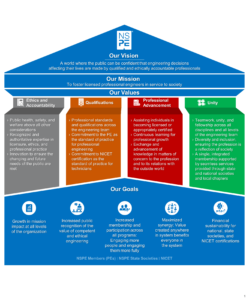
Whether you practice civil, electrical, chemical, or biomedical engineering, adhering to a canon of ethics requires a systematic approach to problem-solving. When faced with a complex situation, engineers should navigate the ethical dilemma using a clear framework:
-
Identify the Problem: Look closely at the situation and clearly define the current state of the ethical engineering dilemma.
-
Gather the Facts: Collect all relevant data, identifying the different moral viewpoints and stakeholders involved.
-
Analyze Options: Weigh the pros and cons of the situation and brainstorm potential resolutions.
-
Take Action: Develop a justifiable course of action, qualify it against ethical standards, and execute it responsibly.
Engineers are tasked with inventing the future, meaning our designs directly impact millions of lives. For example, in biomedical engineering, developing a life-saving device like an artificial kidney requires rigorous testing. Navigating the ethical complexities of clinical testing requires strict adherence to established moral protocols to ensure human safety is never compromised for the sake of innovation.
Check out this video on Professional Ethics in Engineering – Great Overview
Research Summary
In high-stakes research and development, the consequences of failure can be severe. Overconfidence and negligence are the greatest threats to professional engineering ethics. An engineer must rigorously verify their work—checking it at least twice—to ensure that the excitement of a new invention or project milestone does not overshadow ethical laws and safety protocols.
Because engineering is a profoundly multidisciplinary profession, ignoring the safety and security of society can lead to unforeseen and catastrophic consequences. At the heart of our duty is honesty and integrity. If a practitioner lacks integrity in their work, they cannot truly be called a professional. The public places immense trust in our services, and maintaining that trust requires unwavering ethical standards.
Conclusion – Remain Up to Date
A critical, yet sometimes overlooked, component of ethical engineering is continuing education. An experienced engineer must actively stay informed about the latest technological developments, industry codes, and regulatory changes, while also mentoring others on these advancements. Keeping your knowledge and skills up to date ensures that the solutions you provide are both innovative and safe for the public.
Ultimately, ethics in professional engineering cannot be compromised. Our first and most important duty will always be to safeguard the health, safety, and well-being of the society we serve.